Reasons Behind Purchasing Lab Created Diamonds
Starting with everyday choices, many now search for a diamond that simply works. A piece should shine well yet survive daily wear without draining savings. Clarity matters too – shoppers expect honest details ahead of buying. Into this space step lab created stones, fitting neatly into modern needs. Price matters less than you might think. Control grabs attention next. Comparing quality clearly becomes a priority instead of relying on luck. Grading makes more sense when explained simply. Trust grows if buyers see proof the stone is genuine. Matching it later to jewelry feels easier with certainty upfront. Flexibility pulls many toward loose lab diamonds at the beginning. Starting with a loose gem means seeing how light plays through it without any metal hiding parts of the face. This way, judging quality becomes easier when deciding where to place your money.
Lab Grown Diamond Meaning Explained
A lab created diamond isn’t dug up – it forms in a room under careful conditions. One key point: it shares the exact chemistry of earth-mined diamonds. Its toughness matches too, along with how light moves through it. Surprising to some, these aren’t fake gems at all. Not quite like cubic zirconia or moissanite. What sets them apart? Where they come from. Nature builds one deep underground. The other comes from high-tech setups mimicking Earth’s intense heat and pressure. Lab-made diamonds usually emerge via two distinct processes
- Under extreme pressure and heat, conditions shift dramatically. Such environments push materials beyond normal limits. These changes happen when temperature climbs high alongside intense pressure. HPHT describes settings where both factors rise together sharply
- CVD means Chemical Vapor Deposition
One way or another, both produce gems that look just as good. Most people buying them wouldn’t spot a contrast unless they had specific tools on hand.
Buyers Begin With Loose Stones
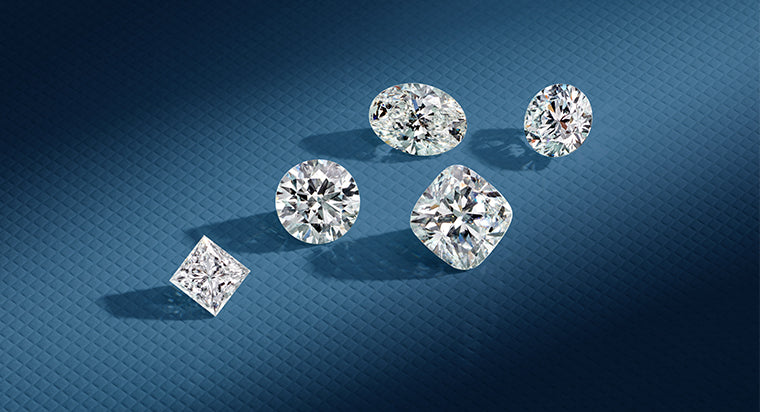
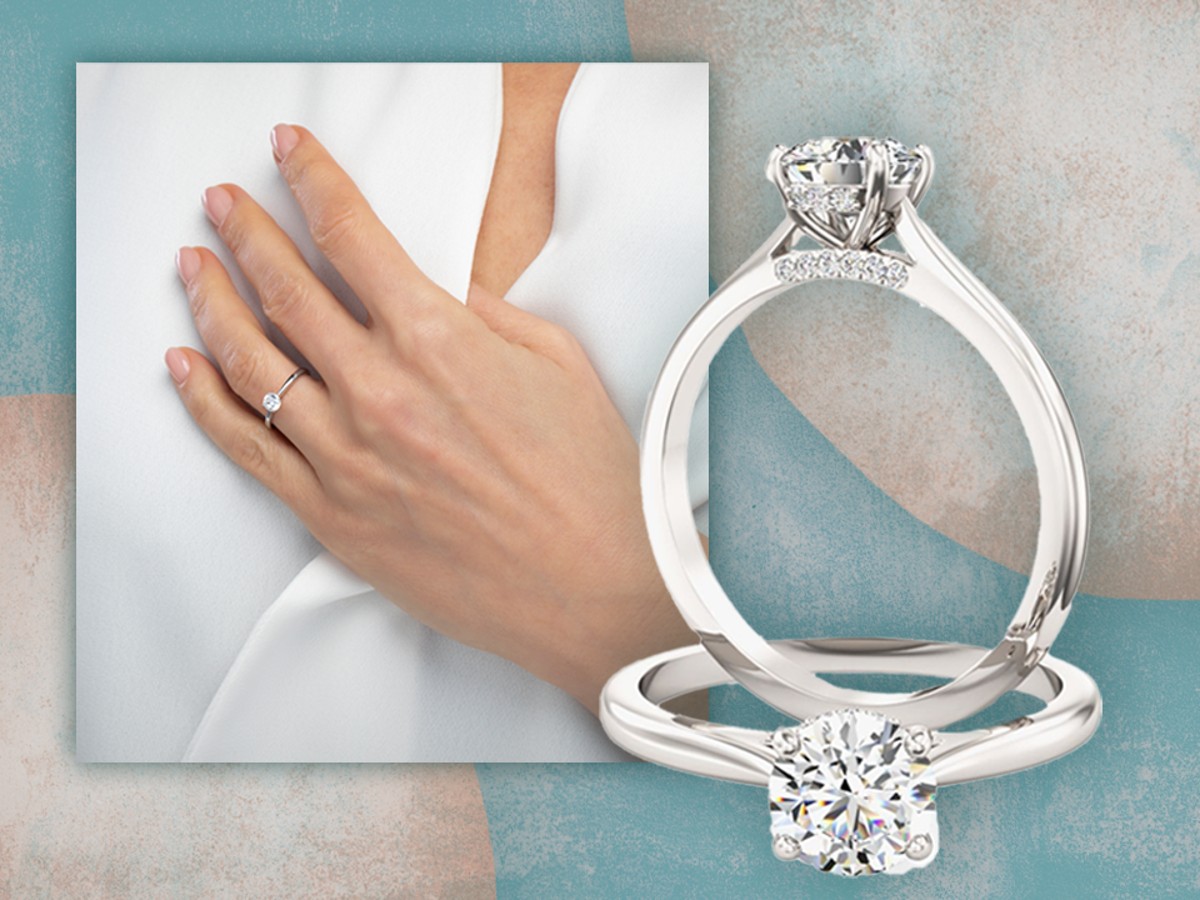
Most times, the look of a ring grabs attention before you notice what kind of stone sits inside. Choosing one already made means seeing the setting right away. With loose diamonds, things happen differently. The gem comes into view long before any metal frame surrounds it. Seeing every angle becomes possible when nothing blocks the light. Mounting happens later, only after close inspection. One reason folks find it simpler to weigh options is how straightforward comparisons become. Picture someone looking at two one-carat gems, spotting that one shines brighter due to a superior cut despite nearly identical pictures online. Light play shifts dramatically, often mattering more than size on its own. Selecting unstudded lab-created stones comes up when personal design matters most. Craftsmen then shape bands precisely, fitting every millimeter like a tailored frame.
Understanding Diamond Quality Assessment
Starting off, diamond grading might seem complex. Yet the main points? Actually straightforward. Evaluation of most stones rests on four key areas – known as the 4Cs.
Cut
Light bends differently depending on a diamond’s shape. When the angles work, the sparkle feels alive, almost humming. Most eyes catch this first, before size or clarity even register.
Color
Starting at D, color grades go down to Z. Less noticeable hue shows up near the top. Moving toward Z, hints of yellow begin appearing. Most people pick shades like G through J. These look nearly identical unless placed next to each other.
Clarity
What you see inside a gem – tiny features trapped during formation – is what people mean by clarity. These inner traits go by the name of inclusions, while flaws on the outside count as blemishes. Without tools to enlarge the view, most tiny imperfections stay out of sight. So even stones rated at a lesser clarity level might appear flawless when worn normally.
Carat
A single carat tells you about mass, nothing more. Depending on how it’s shaped, one stone might look larger than another even when both weigh the same.
Factors That Change Price
Most folks think bigger always means pricier. Truth? Not exactly. The way a diamond is cut can boost its worth far beyond what shoppers guess. Take a little rock shaped just right – it might outshine a larger one under everyday light. Don’t overlook the paperwork either. One reason grading matters is steady results across evaluations. Labs such as IGI or GIA give detailed summaries showing what a gemstone truly holds inside. Price checks work better when viewing every trait together rather than fixating on just clarity or carat alone. Take two stones: one might have less color but shines brighter thanks to precise cutting, beating another that scores high in hue yet lacks sparkle due to weaker craftsmanship.
Understanding Online Diamond Ads
Nowadays most shoppers look up lab grown diamonds online prior to stepping into a jewelry store. This shift brings an entirely new kind of hurdle. Images and clips tend to stretch reality just a bit too far. Start instead by zeroing in on clear, hard facts. Pay close attention to each one of these aspects
- Cut grade
- Certification source
- Table and depth percentages
- Comments about clarity appear in the grading report
- Return policy
Even though videos help, they sometimes exaggerate sparkle because of how lights hit the stone. Instead, grading reports offer consistent details you can rely on. Certain sellers show photos that have been sharpened or brightened too much. Under even light, a real diamond keeps its harmony without needing flashy tricks.
When Certification Matters Most
Price goes up, trust matters more. Grading papers show proof of what’s actually there. When checking gems from separate shops, reports keep things level. Skip the paperwork, you depend only on how one person sees it. Risk climbs fast that way. Shoppers eyeing bare lab diamonds usually pick ones with documents – they match traits without guessing. A tiny code burns onto the edge of the stone. This mark links directly to its official evaluation sheet.
Shape Decisions Guided by Practical Application
Most times, the way a diamond catches eyes depends on its outline. Light bounces off round ones better than others. These rounds often come with higher tags. For equal weight, ovals give more surface view. Pears stretch that effect even further. Open planes of an emerald cut highlight purity – flaws show fast there. Daily life matters more than what’s popular now. Someone using hands often might lean toward forms like ovals or circles that guard edges well. Princess or marquise styles? Their pointed ends need watching, especially how they’re held in place.
Buyers’ Common Regrets
Surprises often come up when shoppers fixate on a single detail. Typical cases include focusing only on speed instead of reliability, or prioritizing size over ease of use
- Choosing carat size over cut quality
- Ignoring certification
- Paying more just because someone says the picture looks sharper – when their eyes wouldn’t notice anyway
- Buying without reviewing return terms
Pressure builds fast when time runs short. Stock warnings pop up, clocks tick down on prices – suddenly choosing feels urgent. Yet slowing down often reveals clearer options. Jumping too soon skips what matters most.
Setting a Realistic Budget
Picture your budget first, then look. Skip that step and suddenly little extras pile up, pushing costs way past where you started. What grabs your eye? Maybe width stands out. Or maybe light levels or outline shape pull attention. Most find steady choices work well enough
- Prioritize excellent or very good cut quality
- Pick stones that look clear to the naked eye rather than obsessing over perfect scores
- Select a near colorless range for better value
Most times, the look turns out bold yet stays within budget. Still, it manages impact while skipping extra charges.
Buyers Common Questions
Lab grown stones hold up just like natural ones over time.
Fine. Just like real diamonds, these hold up just as well against daily use because they’re equally tough. Their strength matches exactly what you’d expect from mined stones.
Can a jeweler tell the difference between mined and lab grown diamonds?
Most of the time it works – special tools help spot what eyes miss. Hard to tell just by looking. Still, tests reveal hidden details.
Are loose diamonds better than pre set rings?
Most of the time, it depends. If comparing closely matters, loose gems offer that freedom. For those choosing speed, mounted pieces cut down effort. Custom work leans toward unset stones. Ready-made settings suit quick choices.