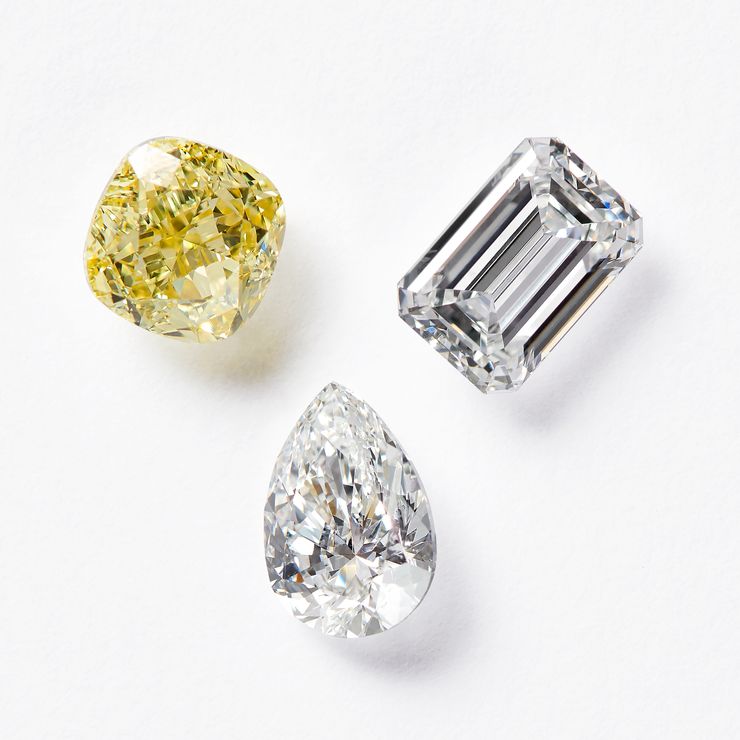
Diamonds no longer need millions of years underground to become beautiful gemstones. Modern technology can recreate the conditions needed for diamond growth inside carefully controlled chambers. The result is a genuine diamond with the same basic chemical composition and crystal structure as its mined counterpart.
Among these methods, Chemical Vapor Deposition (CVD) has become an important part of jewelry manufacturing. Buyers researching lab diamonds cvd often want to know whether these stones are real, how they compare with natural diamonds, and what makes them worth purchasing.
The answers involve more than appearance. Growth technology, grading standards, treatments, and pricing all influence the finished gemstone.
The Science Behind CVD Diamond Growth
Chemical Vapor Deposition creates diamonds by building carbon crystals layer by layer. The process begins with a thin diamond seed placed inside a specialized chamber.
Manufacturers introduce gases, typically hydrogen and methane, into the chamber. Energy activates the gases, creating a plasma that allows carbon atoms to settle onto the seed’s surface.
Over time, these atoms form a growing diamond crystal. Technicians carefully control temperature, gas composition, and other conditions to influence the resulting material.
Unlike diamond simulants, such as cubic zirconia, CVD stones are genuine diamonds. They consist of crystalline carbon and possess the hardness and optical properties associated with diamond.
After growth, manufacturers cut and polish the rough material into gemstones suitable for rings, earrings, necklaces, and other jewelry.
CVD Diamonds Compared With Mined Diamonds
The primary difference between CVD and mined diamonds is their origin.
Natural diamonds form deep within Earth’s mantle under extreme pressure and temperature. Geological processes eventually bring some of these crystals closer to the surface, where mining operations can recover them.
CVD diamonds grow in manufacturing facilities using advanced equipment.
Both varieties share several important characteristics:
- Hardness: Both score 10 on the Mohs hardness scale.
- Composition: Both consist of carbon arranged in a diamond crystal structure.
- Brilliance: Well-cut stones can display comparable sparkle and fire.
- Durability: Both resist scratching exceptionally well, although either can chip under sufficient impact.
A trained gemologist may need specialized instruments to distinguish laboratory-grown stones from natural ones.
For shoppers comparing lab diamonds, appearance alone generally cannot establish a stone’s origin.
Does the Growth Method Affect Beauty?
A diamond’s appearance depends heavily on its cut quality, proportions, clarity, and color.
A precisely cut CVD diamond can look brighter than a poorly cut natural diamond. Conversely, weak proportions can reduce brilliance regardless of where the crystal formed.
Some laboratory-grown diamonds contain growth-related features or color characteristics that require additional evaluation.
These details make independent grading particularly useful when comparing individual stones.
CVD Versus HPHT: Two Different Technologies
CVD is not the only method used to manufacture diamonds.
High Pressure High Temperature (HPHT) technology produces diamond crystals by recreating conditions involving intense pressure and heat.
CVD relies on carbon deposition from activated gases, while HPHT typically uses a carbon source, a seed crystal, and specialized high-pressure equipment.
Neither process automatically produces a superior gemstone.
Both methods can create high-quality diamonds, and both may produce material requiring additional treatment to improve color.
Some CVD-grown stones undergo HPHT treatment after growth. This can reduce certain unwanted color characteristics.
When reviewing lab diamonds cvd, buyers should distinguish between the original growth method and any subsequent treatment.
A reliable grading report can provide valuable information about these characteristics.
Color, Clarity, and Certification
Diamond grading helps buyers compare gemstones using consistent criteria.
The traditional four Cs remain relevant: cut, color, clarity, and carat weight.
Cut Quality Matters Most for Sparkle
Cut affects how effectively a diamond reflects and returns light.
A well-proportioned round brilliant diamond can produce impressive brightness, while a poorly proportioned stone may appear dull despite excellent clarity.
Buyers should examine cut grades where available, along with proportions and actual photographs or videos.
Color and Clarity Deserve Careful Attention
Colorless diamonds generally receive grades from D through F. Near-colorless grades, including G through J, may offer attractive appearances at lower prices.
Clarity describes internal inclusions and external blemishes.
A VS1 or VS2 diamond can be an appealing choice when its inclusions are not visible without magnification. However, actual visibility depends on the stone and inclusion placement.
Why Grading Reports Matter
Independent reports from organizations such as the Gemological Institute of America (GIA) or International Gemological Institute (IGI) can help establish a diamond’s characteristics and laboratory-grown origin.
Report formats and grading terminology may differ between laboratories.
Before purchasing, verify the report number through the issuing laboratory and confirm that the stone matches its documentation.
Price Differences and Long-Term Value
Laboratory-grown diamonds generally cost less than comparable mined diamonds at retail.
Manufacturing capacity, competition, and improvements in production efficiency have contributed to lower prices.
However, pricing varies according to carat weight, shape, color, clarity, cut quality, and retailer.
A larger gemstone is not automatically a better purchase. Poor proportions or visible inclusions can make an inexpensive diamond less appealing.
Resale value also deserves consideration.
Laboratory-grown diamonds commonly have limited resale markets, and buyers should not assume they will recover their original purchase price.
For most jewelry shoppers, the strongest reason to purchase a CVD diamond is the combination of appearance, durability, and upfront affordability rather than investment potential.
Environmental Claims Need Context
CVD manufacturing avoids the physical excavation associated with diamond mining, but production still requires electricity, equipment, and industrial infrastructure.
The environmental impact depends partly on energy sources, manufacturing efficiency, and supply-chain practices.
A diamond grown using renewable electricity may have a different emissions profile from one produced using fossil-fuel-intensive power.
Broad claims that every laboratory-grown diamond is environmentally friendly can therefore be misleading.
Buyers concerned about sustainability should look for specific, independently supported information rather than relying on general marketing language.
Choosing a CVD Diamond for Everyday Jewelry
For an engagement ring or frequently worn piece, prioritize cut quality, a secure setting, and dependable documentation.
Compare stones under different lighting conditions when possible. Bright showroom lighting can make differences in cut performance difficult to notice.
Ask the retailer about treatments, warranty coverage, return policies, and whether the grading report identifies the growth method.
Also consider the setting material. Platinum and commonly used jewelry gold alloys offer different combinations of durability, maintenance needs, and appearance.
A Thoughtful Choice Beyond Origin
CVD diamonds give jewelry buyers another way to choose a genuine diamond without paying the typical premium associated with mined stones.
The most satisfying purchase comes from evaluating the individual gemstone rather than relying on its manufacturing method alone.
For buyers considering lab diamonds, careful attention to cut, grading documentation, treatment disclosure, and retailer policies can make the difference between an attractive purchase and a disappointing one.
A beautiful diamond should fit the intended jewelry, the available budget, and the buyer’s expectations for long-term ownership.